The Land
At Thickety Fen
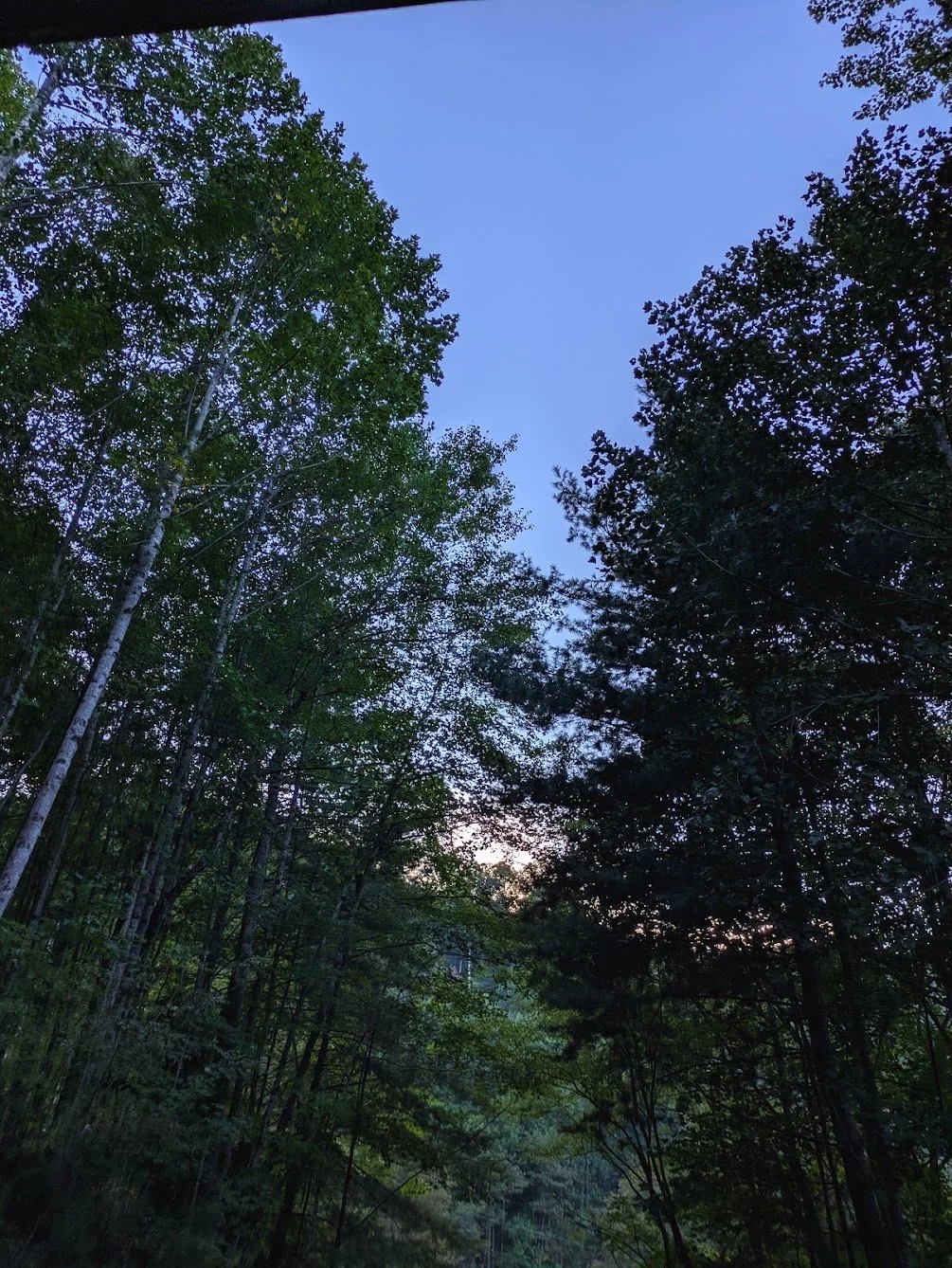
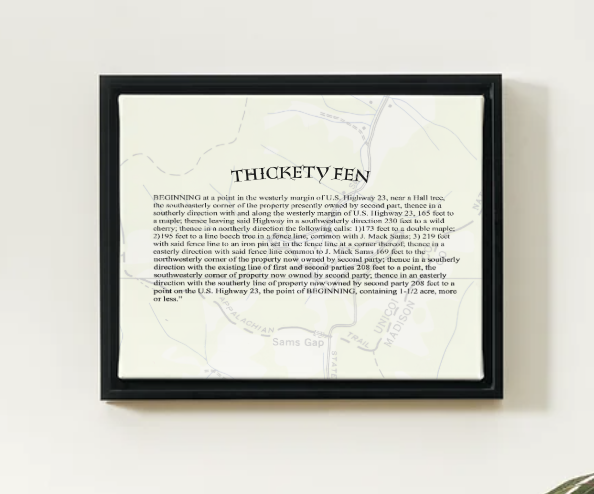
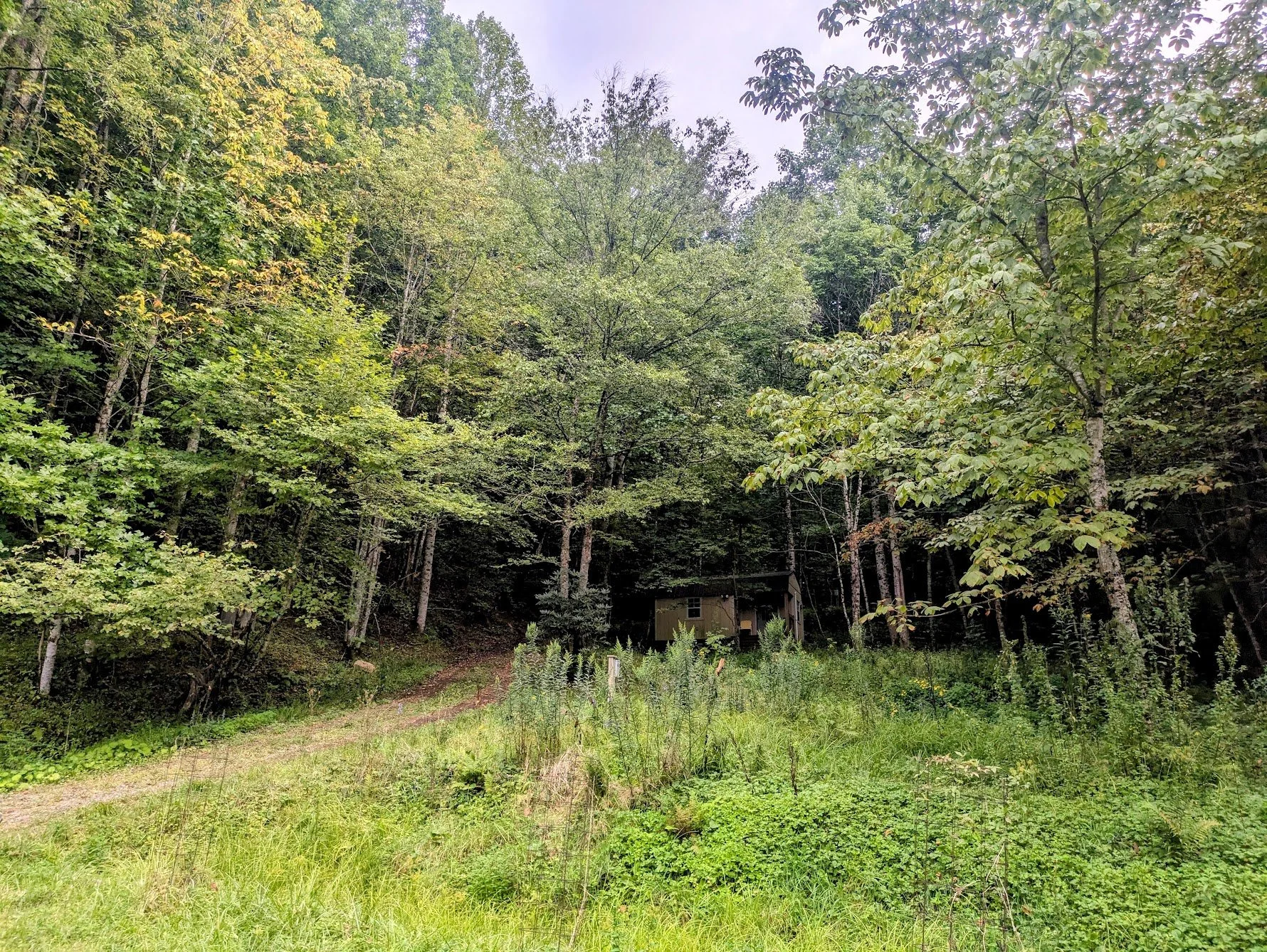
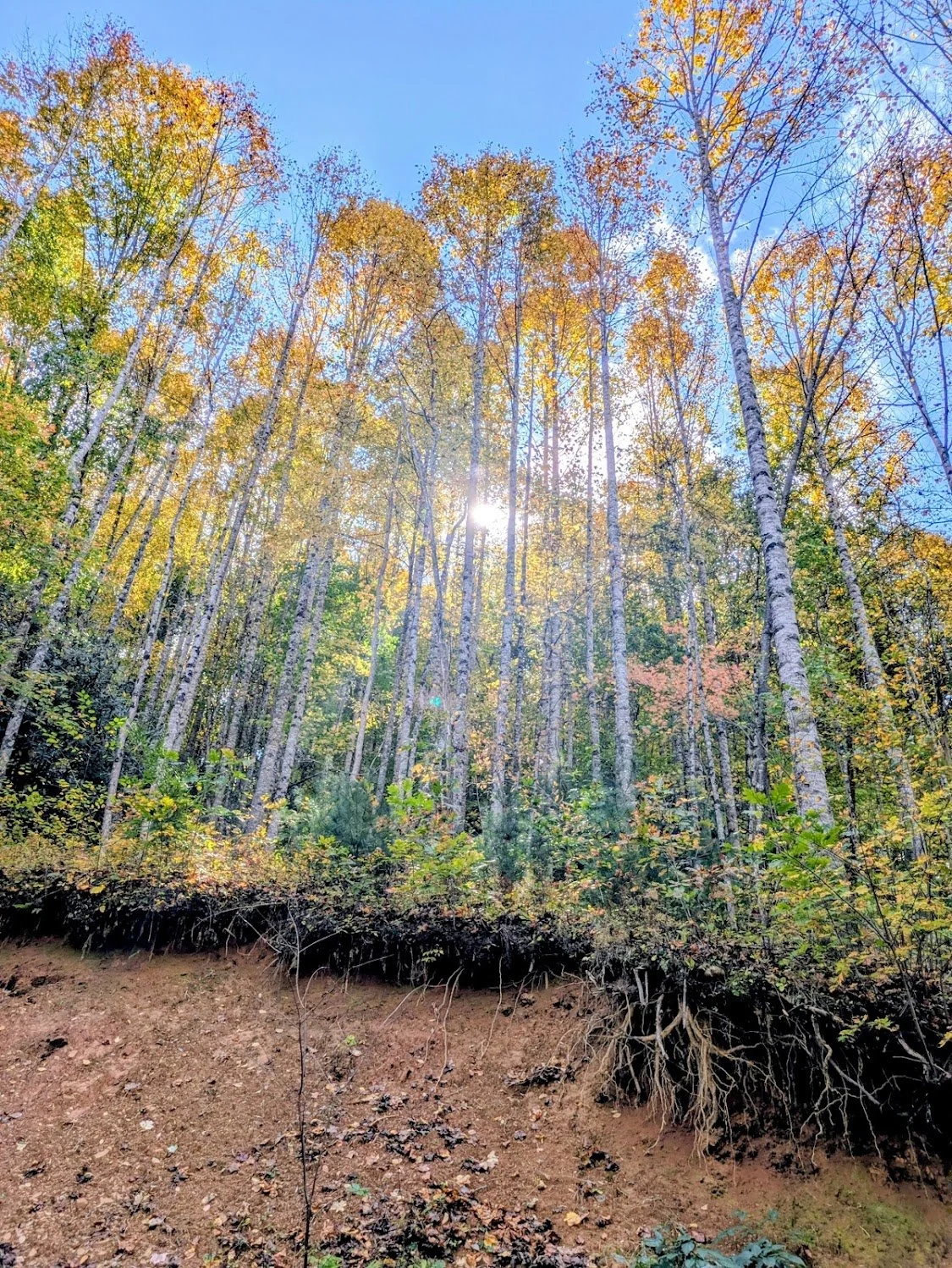
Nestled deep in a scenic Appalachian cove, Thickety Fen encompasses four acres of ancient forest and sunny meadow. To reach this land, you will journey far from city lights, deeper and deeper into the quiet, untouched mountains and hollers of East Tennessee.
Once on site, you are surrounded by the delicious song of trees, birds, and frogs, and the beauty of native wildflowers, pristine woodlands, and vivid, starry nighttime skies.
Still only 30 minutes from Asheville’s thriving cultural and artistic scene, the land is also surrounded by a stunning selection of jaw-droppingly gorgeous viewing, hiking, camping, and outdoor recreation options.
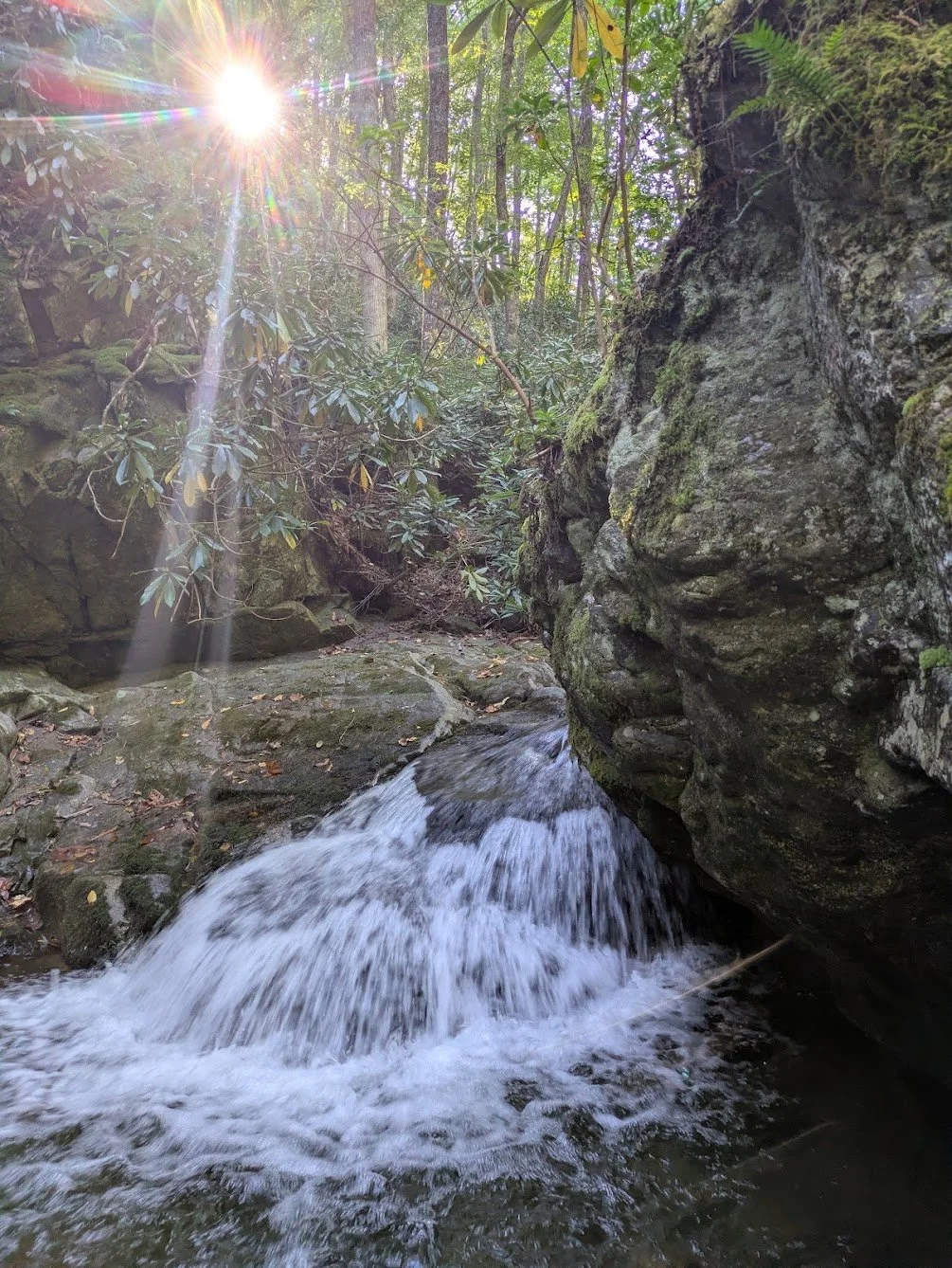
The Sams Gap entrance to the Appalachian Trail is less than two miles away. Fifteen minutes takes you to the pristine, rushing waterfalls and peaceful swimming holes of Rocky Fork State Park and its fully accessible hiking trails. A half hour drive will deliver you to Cherokee National Forest, Pisgah National Forest, or The Blue Ridge Parkway. Drive a little farther and you can be in the Smokey Mountains, Nantahala National Forest, and half a dozen additional parks, forests, gamelands, and wilderness areas within an hour.
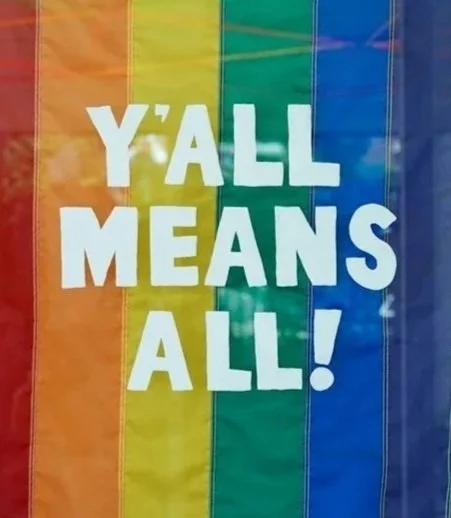
Thickety Fen welcomes all who seek the peace of the wilds and the community of those who remember we belong to each other. We are queer-owned and led, trans-affirming, and in these chaotic times one thing will always be true: We stand fiercely in protection of your right to live out loud as exactly as you are.
All of you is Welcome Here
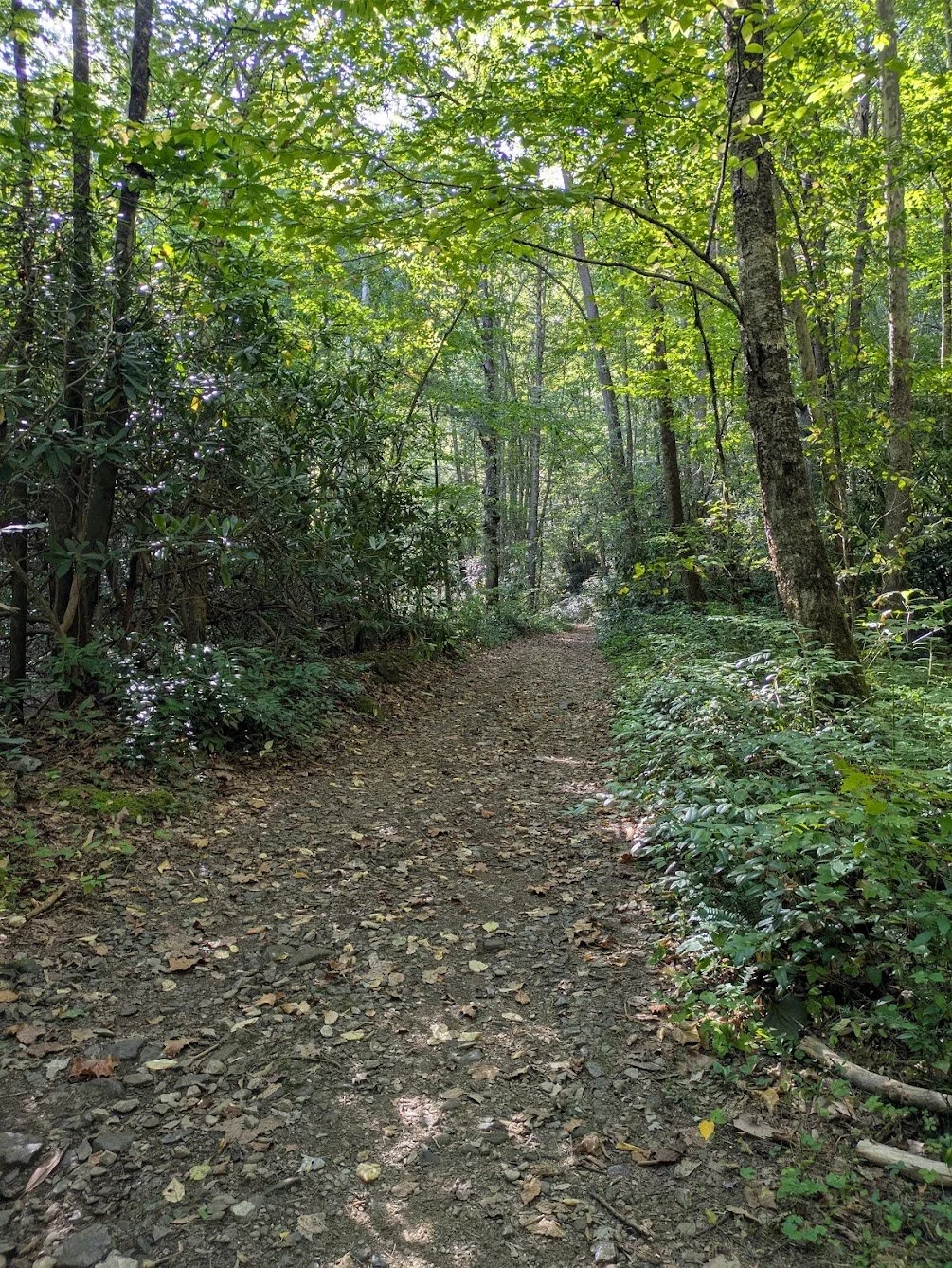
Hundreds of miles of trails, connecting directly with the legendary Appalachian Trail
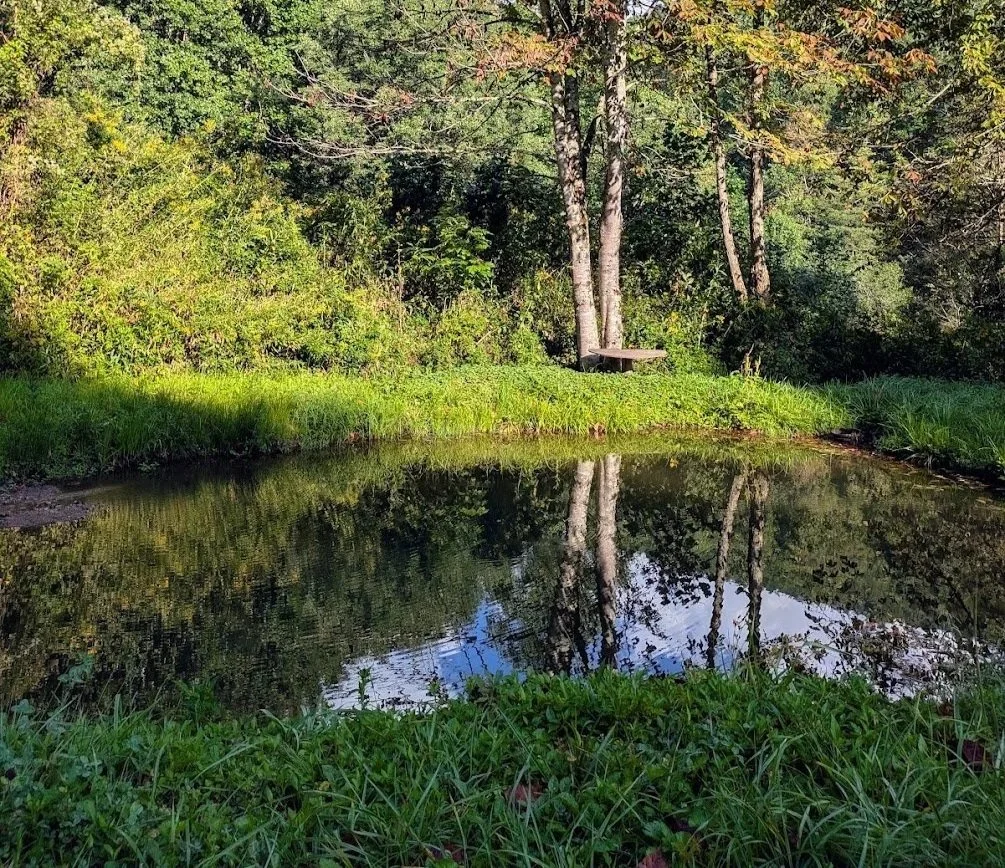
A spring-fed frog pond full of native wildlife and plants
Gardens and fruit trees
A communal wash house containing a full bathroom and laundry
Features and Facilities
Multiple campsites with full hookups for tent or hammock camping
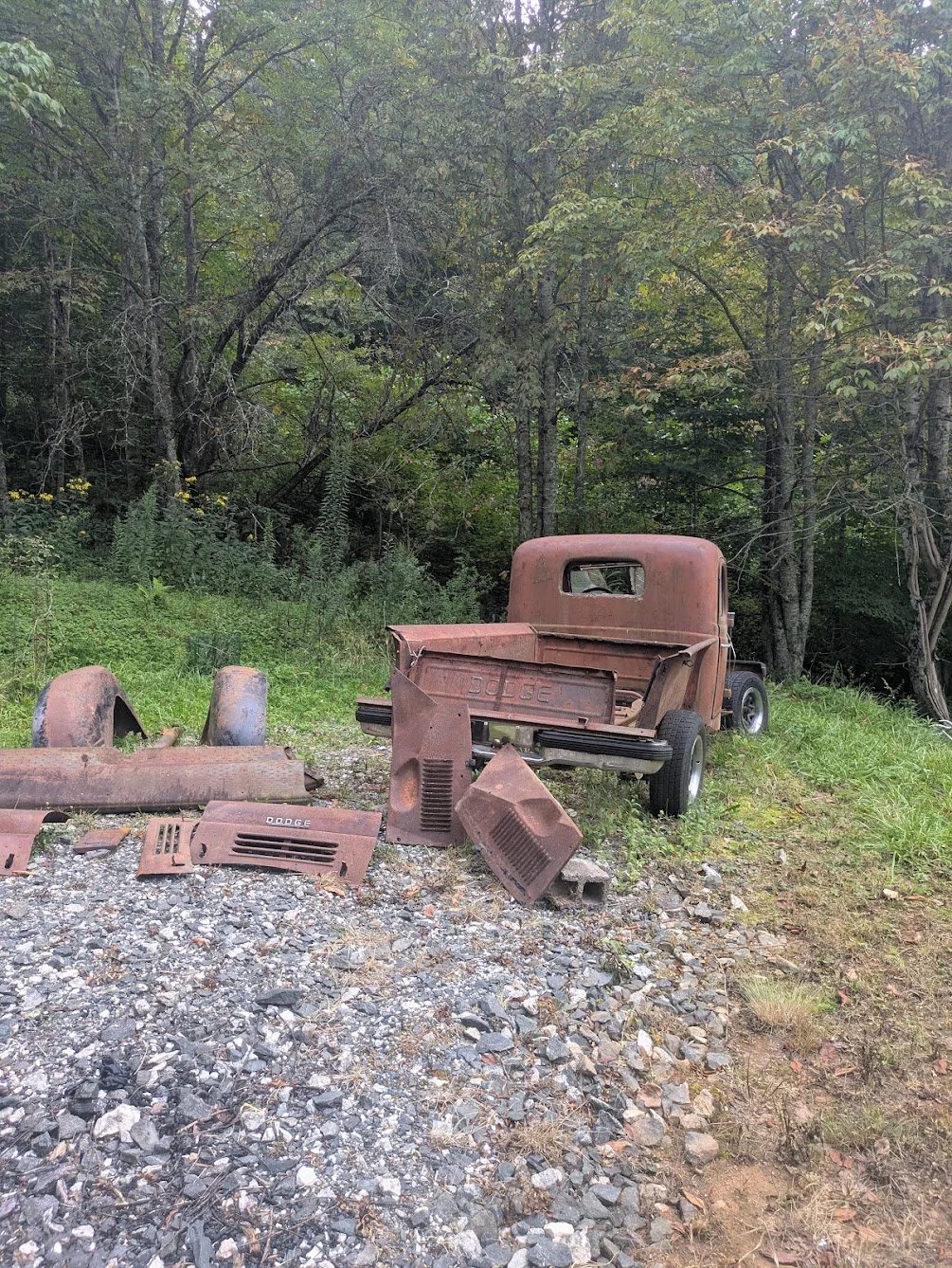
Community art project centered on the rusty body of a 1950s Chevy pickup left here by previous owners. Art supplies are provided, and you’re encouraged to leave your mark!
On-site parking plus ample nearby public parking for overflow
Currently, only a few areas of Thickety Fen are wheelchair accessible and we do not have an ADA-compliant bathroom. It is large in our hearts to make as much of the land and facilities fully accessible as soon as we can. In the meantime, if you are concerned about accessibility, please contact us and we will do our best to accommodate you.
“Cedarmoss,” the main cabin and dwelling of Fen and their furry companions
“Apple Hall,” the smaller cabin and dwelling of Fen’s son, the property overseer, Everett
“The Bower Bird,” a full-size RV that is the dwelling of Fen’s son, Eli
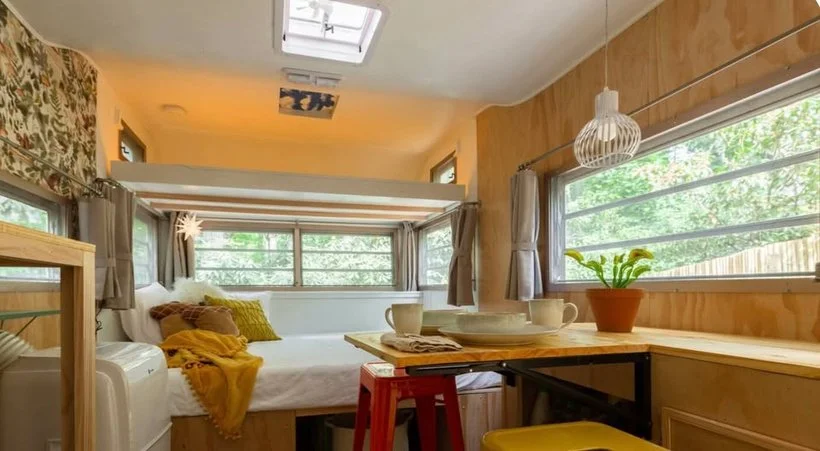
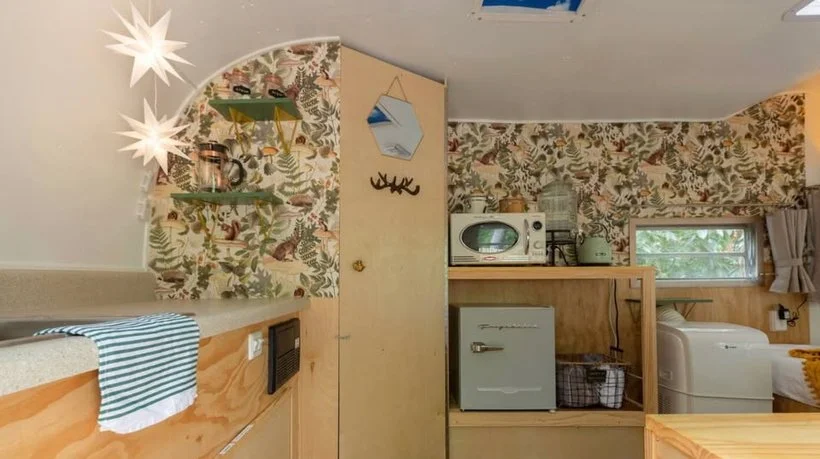
“The Squirrel” (pictured), an adorable 1969 monitor camper glamped up and decked out with a woodland theme, available for overnight stays
Thickety Fen lies within the unceded, ancestral homelands of the Eastern Band of Cherokee Nation.
In the bitter winter of 1789, less than a mile from Thickety Fen, white militia leader John Sevier led mounted troops into the woods and massacred 145 Cherokee resistance warriors led by John Watts. A town was later named for Sevier. The Cherokee warriors, on the other hand, lie in an unmarked mass grave that is now a meadow within the Lamar Alexander Rocky Fork State Park. The massacre, called by settlers The Battle of Flint Creek, permanently crippled the resistance, signaling a major defeat for the land’s original people.
True stewardship cannot exist without acknowledgement and active participation in systemic reparation. A portion of Thickety Fen’s revenue is donated each month directly to the LandBack Action Network, an Indigenous-led movement to return Indigenous land to Indigenous hands.
Furthermore, the gates of Thickety Fen are open for members of the Eastern Band of Cherokee and other Indigenous-led organizations to hold events, teachings, and ceremony, and to engage in foraging, rest, and land-based activities. Contact fen@fendruadin.com for more information.
Land Acknowledgement
The Black Roots of These Mountains
While Indigenous people were being forcefully removed from these lands, other people were being forcefully made to work it.
Many of the tunnels that make these mountains navigable were dug by enslaved men, who were shackled, underfed, and guarded at gunpoint by overseers. The work was dangerous and often deadly. The Swannanoa Tunnel alone took the lives of at least 120 men due to cave-ins, explosions, physical exhaustion, and exposure. Meanwhile, many formerly enslaved people and descendants of those who had been enslaved sought these mountains intentionally, either to escape oppression elsewhere or simply for the reason so many of us do: Its profound beauty.
The cultural contribution of these descendants of the African diaspora cannot be overstated. From the West African banjo, to the rhythms of old-timey Appalachia, and the sound of the blues, this area’s cultural heritage would be deeply impoverished without these contributions and many others.
The beauty of Black cultural history is often erased, while thriving modern Black-led arts and music communities are ignored and whitewashed with a romanticized myth that centers white Appalachia. Meanwhile, historic and current oppression of Black and brown people continues to cause disparities in almost every aspect of communal life, from the justice system to healthcare, wealth, land ownership and access to resources.
We acknowledge that access to land and land-based activities has been systemically denied to many Black and brown people. In a small act of reparation, the gates of Thickety Fen are open at substantially reduced rates for Black- and brown-led organizations, with a special interest in working with those whose mission is reconnecting people with nature. Contact fen@fendruadin.com to discuss your event or activity.